Wednesday, February 13, 2019

HVAC Energy Efficiency & Its Effects on Climate Change.

HVAC Energy Efficiency & Its Effects on Climate Change


The HVAC industry has continually worked to improve technology, increasing the energy efficiency of the heating and cooling systems in homes and businesses throughout the world. Not only do these advances bring energy saving benefits to users, but environmentally friendly heating and cooling technology is working to lower our impact on climate change.

Energy Saving HVAC Technology


As the HVAC industry strives to improve the energy efficiency of heating and cooling units, homeowners are now able to purchase units that increase energy savings by ultra-high efficiency ratings. ENERGY STAR rated HVAC units are available with SEER (seasonal energy efficiency ratio) ratings up to 27.5 for traditional central air conditions, up to 33.1 SEER for ductless units, and HSPF (heating seasonal performance factor) ratings up to 13.5 for heat pumps. Furnaces and heating systems are available with AFUE (annual fuel utilization efficiency) ratings up to 98.6.
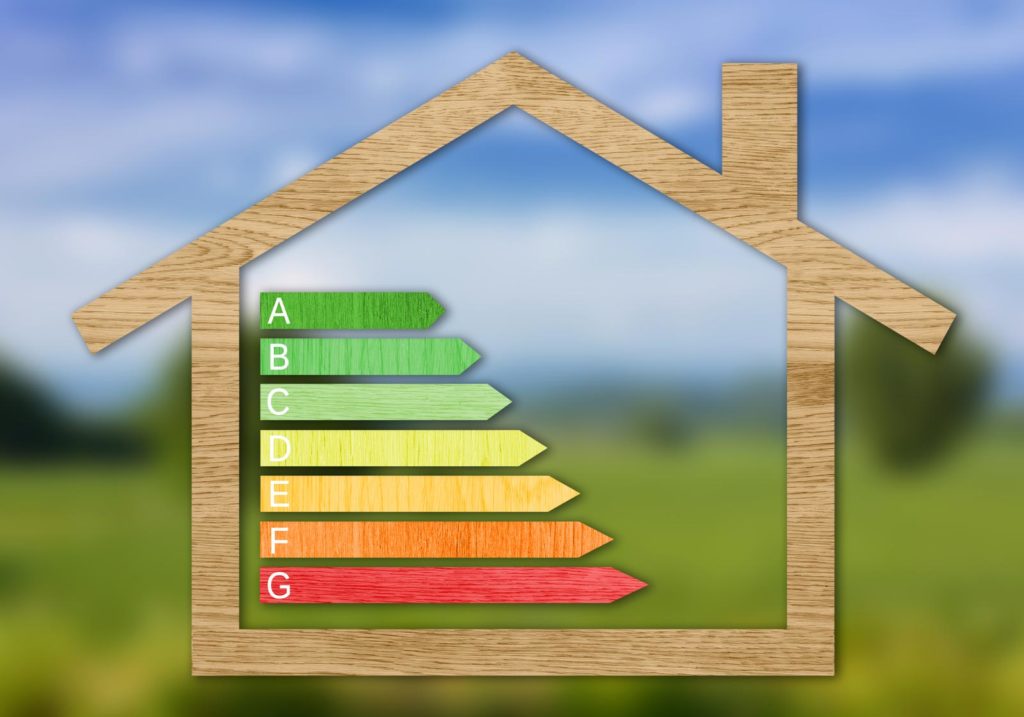

The high energy efficiency ratings offered by new heating and cooling units mean systems utilize their fuel source more efficiently, consuming less electricity or gas. Higher efficiency units generate energy savings for homeowners, lowering utility bills and the cost involved with operating heating and cooling systems at home.

How HVAC Energy Efficiency Affects Climate Change


Higher energy efficiency ratings of heating and cooling equipment are working to lower impact on climate change. With more efficient utilization of heating and cooling fuel, less fuel is consumed. This lowers direct carbon emissions that impact climate change, as well as carbon emissions associated with the production of electricity and fossil fuels. With approximately 50 percent of a home or building’s energy consumption stemming from heating and cooling use, energy conservation through heating and cooling system use is especially impactful not only for energy savings, but for the environment and halting climate change.

Refrigerant evolution is also limiting HVAC systems’ impact on climate change. As R-22 refrigerant is phased out by the Montreal Protocol in favor of environmentally friendly R-410A refrigerant, homeowners will also see energy savings. In addition to being better for the environment and less damaging to the ozone layer that protects Earth against ultraviolet radiation to safeguard against climate change, R-410A refrigerant is more energy efficient, further helping cooling systems better utilize electricity for energy saving.

R-22 refrigerant used in HVAC systems manufactured before the phaseout finalizes in 2019 is an HCFC refrigerant, meaning it is composed of hydrogen, carbon, fluorine, and chlorine. The Environmental Protection Agency has determined this type of refrigerant causes damage to the ozone layer, contributing to climate change. Emissions from R-22 leak into the atmosphere through HVAC systems through refrigerant leaks. HCFC materials deplete the ozone layer and have contributed to the existing ozone hole over the planet’s South Pole.

Increase Energy Saving with HVAC.com


When looking to upgrade your heating and cooling systems for energy efficiency, HVAC.com is home to all the resources you need to make a smart, energy saving decision. In addition to our numerous HVAC resources, our HVAC Contractor Directoryhelps you locate trusted HVAC companies near you to perform the upgrades you need for energy savings. Simply search your ZIP code for a list of our Certified Contractors in your area who will be happy to help you implement energy efficiency technology for your home’s heating and cooling system.

Saturday, February 2, 2019

WHY REBARING IN CIVIL CONSTRUCTION

RCC Construction

                            Francois Coignet, a French industrialist built a four storey house in Paris with reinforced cement concrete in 1853. That was first ever attempting to build using reinforced cement concrete in modern history. Since then the technology has evolved with one of highest buildings in the world being built using RCC.Reinforced Cement Concrete is a composite material with excellent strength and durability characteristics. Like clay concrete could be moulded into any shape, of any scale by using suitable moulds (or formworks as they are called). Concrete could be made anywhere by mixing its constituents in suitable proportion. It slowly develops the strength over a reasonable period of time, just sufficient to facilitate onsite operations. This portable nature of concrete along with the strength it develops is the key to its popularity.

 Why rebar in RCC construction

                      Concrete on its own has got excellent strength when pressed against anything. However on pulling (or applying tensile forces) it easily gives way.

                      Steel rounds (with suitable embossing to facilitate bonding with concrete) are deterministically embedded in concrete to impart desired strength. Beauty of steel rebars is that they can take both tensile as well as compressive loads. In RCC columns you would find steel rebars carrying bulk of compressive loads. Steel & concrete have got similar temperature coefficients, making them expand/contract together and help the bonding.

 How to judge a rebar


  • Consistency of physical properties across the rebar length
  • Better ductility
  • Lower impurities
  • Easy to work with (during fabrication)
  • Bond with concrete

Necessity of Rebaring Technique in Reinforced Concrete Construction

The steel reinforcement mostly is divided into two categories i.e.
  • Primary Reinforcement or Main Steel reinforcement
  • Secondary reinforcement or distribution reinforcement

Main steel reinforcement bars are employed in R.C.C structures to ensure resistance against the whole design loads coming over it. The secondary reinforcement bars are mainly employed due to durability as well as for aesthetic reasons.
This reinforcement guarantee resistance for localized areas, like limited cracking. These also offer resistance against the stresses that are created due to temperature variations.
The main bars employed of specified diameter are bent at the ends. The stirrups are reinforcements that are provided laterally, to keep the main bars of the structural elements like beams and columns, in position.
The stirrups may be circular, square, rectangular, helical or diamond shape based on the cross-section of the structural element. The reinforcement bars in the corners may be L – shaped.
The caging for the structural element under consideration must be properly tied, so that during concreting no bar is disturbed from its position. This is a check to be always kept in mind during concreting, else it is a threat to the durability of the structural member.
The rebars are mainly provided at the junctions where the formwork of the structural element is closed as well as at the point where a new structural element needs to be bond with the former one.

Equipments used for Rebaring Techniques

The equipment that is used for rebaring operations is developed with time, as the size of bars is increasing. Larger size bars are difficult to be handled by hand operation.
                The usage of chisel and hammer was an earlier practice used for bar bending. The bar is held fixed with the help of three thick bars over a bar bender bench. Then the bending is done by means of manual force, operated with the help of levers. To tie the rods, cutting pliers were used, and tied by steel wires.The enormous demand for work and bars with large diameters have made to depend on machines for bar bending. This improved method helps in reduction of time consumed by an ordinary method.